
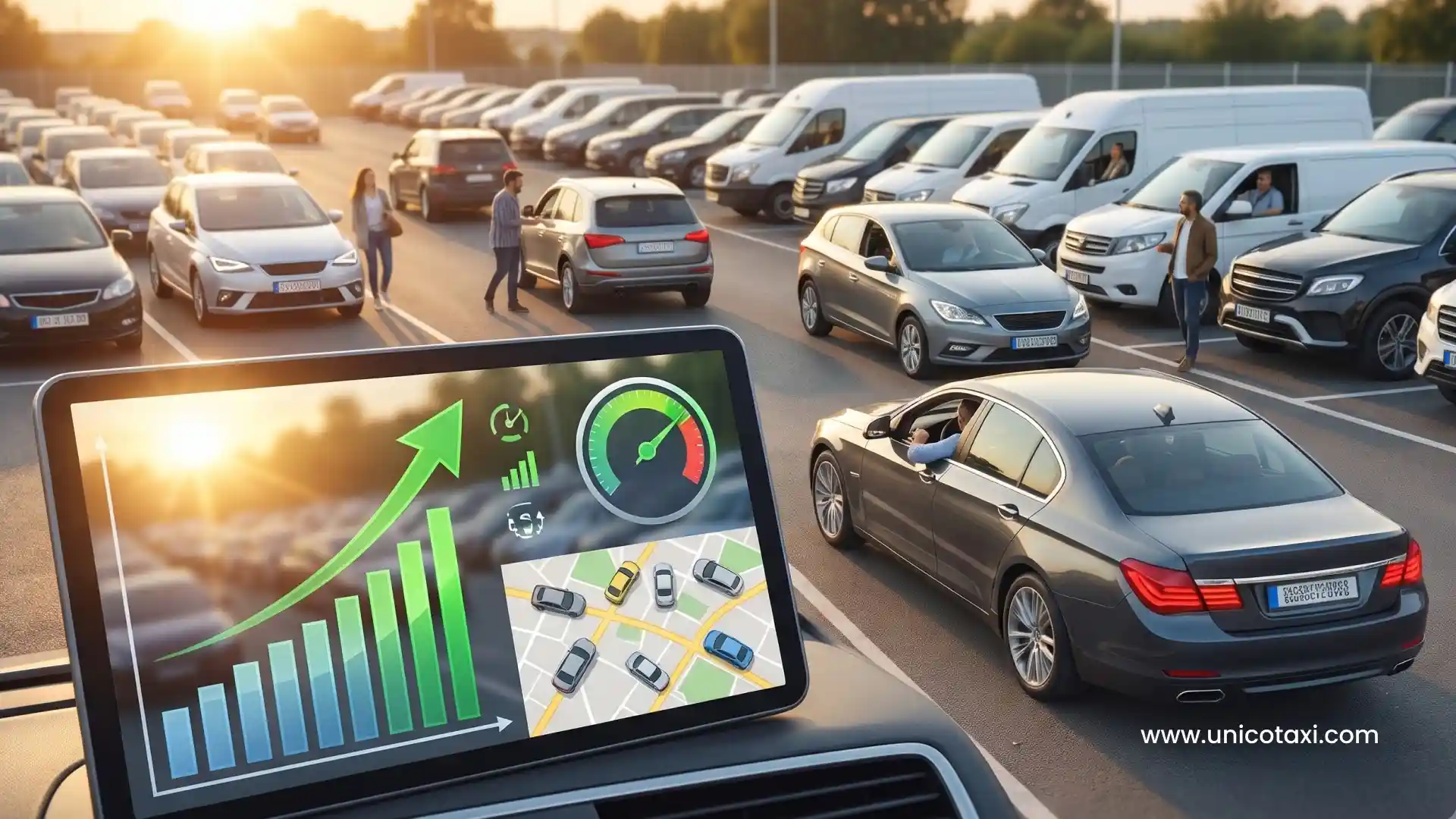

Fleet Utilization Rate Explained: The Key Metric Every Car Rental Owner Should Track (and How to Improve It)
What Is Fleet Utilization Rate?
Fleet Utilization Rate measures the percentage of time your rental vehicles are actively rented and generating revenue compared to the total time they are available.
In simple terms, it answers one critical business question:
“How much of my fleet is actually making money?”
A high utilization rate indicates that your vehicles are being rented consistently, maximizing revenue and improving return on investment.
A low utilization rate suggests that vehicles are spending too much time parked, leading to unnecessary costs and reduced profitability.
For car rental businesses, this metric serves as one of the clearest indicators of operational efficiency.
Why Fleet Utilization Is the Most Important KPI for Car Rental Businesses
Many rental companies focus on metrics such as revenue, booking volume, or customer satisfaction. While these are important, they don’t always reveal how efficiently the fleet itself is being used.
Fleet utilization directly influences nearly every aspect of your business.
Higher Revenue
The more frequently your vehicles are rented, the greater the income generated from your existing assets.
Instead of purchasing additional vehicles, improving utilization allows businesses to increase revenue using the same fleet.
Lower Cost Per Vehicle
Every rental vehicle comes with fixed expenses, including:
- Insurance
- Registration
- Financing
- Parking
- Depreciation
- Preventive maintenance
When a vehicle remains idle, these expenses continue without generating revenue.
Higher utilization spreads these fixed costs across more rental transactions, improving profitability.
Better Investment Decisions
Fleet utilization data helps rental businesses determine:
- Whether additional vehicles are actually needed
- Which vehicle categories perform best
- Which locations experience higher demand
- When to replace aging vehicles
- Where to expand operations
Instead of relying on assumptions, managers can make decisions based on measurable performance.
Improved Customer Availability
Monitoring utilization also helps businesses maintain the right balance between availability and demand.
If utilization remains extremely high for extended periods, customers may struggle to find available vehicles.
If utilization remains too low, valuable assets remain underused.
The goal is achieving optimal utilization—not simply maximizing it.
How to Calculate Fleet Utilization Rate
Calculating fleet utilization is relatively straightforward.
The formula is:
Fleet Utilization Rate = (Vehicle Rental Days ÷ Total Available Vehicle Days) × 100
Example
Suppose your rental company operates:
- 50 vehicles
- Over a 30-day month
Total available vehicle days:
50 × 30 = 1,500 vehicle days
If customers rent vehicles for a combined total of 1,125 days during that month:
Fleet Utilization Rate:
(1,125 ÷ 1,500) × 100 = 75%
This means your fleet generated revenue for 75% of its available operating time.
While the ideal utilization rate varies depending on business model and seasonality, consistently monitoring this KPI helps identify trends and opportunities for improvement.
Common Reasons for Low Fleet Utilization
Many businesses assume slow demand is the primary reason for poor utilization.
In reality, several operational factors often contribute.
Inefficient Booking Management
Manual reservation processes can lead to scheduling conflicts, missed bookings, and unnecessary vehicle downtime.
Automated booking systems help maximize availability while reducing administrative errors.
Poor Fleet Distribution
Demand rarely remains equal across all locations.
Some branches experience shortages while others have vehicles sitting unused.
Without centralized fleet visibility, balancing inventory becomes difficult.
Extended Maintenance Downtime
Vehicles that remain in repair longer than necessary reduce fleet availability.
Predictive maintenance powered by AI helps schedule servicing before breakdowns occur, minimizing unexpected downtime.
Seasonal Demand Fluctuations
Tourism, holidays, school vacations, and local events all influence rental demand.
Without demand forecasting, businesses may struggle to position vehicles where they’re needed most.
Also Read: Fleet Management: How to Reduce Vehicle Downtime with Predictive Maintenance Scheduling
Pricing That Doesn’t Match Market Demand
Fixed pricing often results in idle vehicles during slower periods.
Dynamic pricing strategies help stimulate bookings during off-peak seasons while maximizing revenue during periods of high demand.
The Hidden Costs of Underutilized Vehicles
An idle vehicle isn’t simply waiting for its next customer—it continues costing money every single day.
Some of these costs are obvious.
Others remain hidden.
Depreciation Never Stops
Whether rented or parked, vehicles lose value over time.
Low utilization accelerates the cost of depreciation relative to revenue generated.
Insurance and Registration Expenses Continue
Insurance premiums, licensing fees, and registration costs remain constant regardless of how frequently a vehicle is rented.
Poor utilization means these expenses consume a larger portion of overall profits.
Lost Revenue Opportunities
Every idle vehicle represents a missed opportunity to generate rental income.
Over weeks or months, even a small percentage of underutilized vehicles can significantly impact annual revenue.
Increased Parking and Storage Costs
Vehicles waiting for customers occupy valuable parking space while contributing nothing to business growth.
For larger fleets, storage costs alone can become substantial.
8 Proven Strategies to Improve Fleet Utilization
Improving your Fleet Utilization Rate isn’t about keeping every vehicle rented 100% of the time. Instead, it’s about ensuring your fleet is deployed strategically to maximize revenue while maintaining enough availability to meet customer demand.
Here are eight practical ways to improve utilization.
1. Implement an Online Booking System
Customers increasingly prefer booking vehicles online rather than calling or visiting a rental office.
An online reservation platform allows customers to:
- View real-time vehicle availability
- Compare pricing
- Reserve instantly
- Make secure online payments
- Modify bookings easily
This reduces booking friction and helps fill rental slots more efficiently.
2. Use Dynamic Pricing
Demand changes daily based on:
- Holidays
- Weekends
- Local events
- Tourist seasons
- Airport traffic
Dynamic pricing adjusts rental rates according to market demand.
Lower prices during slower periods help increase bookings, while premium pricing during peak demand maximizes revenue.
This creates a healthier utilization rate throughout the year.
Also Read: How AI-Powered ETA Prediction Is Changing Ride Hailing
3. Reposition Vehicles Based on Demand
Not every branch experiences the same booking volume.
Using fleet analytics, businesses can relocate underutilized vehicles to locations with higher rental demand.
For example:
- Airport branches
- Tourist destinations
- Business districts
- City centers
Strategic fleet redistribution ensures vehicles spend less time idle.
4. Reduce Maintenance Downtime
Unexpected breakdowns reduce vehicle availability.
AI-powered predictive maintenance monitors:
- Engine performance
- Battery condition
- Tire pressure
- Mileage
- Vehicle diagnostics
Instead of waiting for failures, businesses can schedule maintenance proactively, keeping more vehicles available for customers.
5. Analyze Customer Booking Patterns
Historical booking data provides valuable insights.
Businesses can identify:
- Popular rental durations
- High-demand vehicle categories
- Seasonal booking trends
- Frequently rented locations
- Customer preferences
These insights enable smarter inventory planning and fleet allocation.
6. Automate Fleet Management
Manual processes often result in scheduling conflicts and underutilized vehicles.
Modern fleet management software automates:
- Vehicle assignments
- Reservation management
- Fleet availability
- Maintenance scheduling
- Driver coordination
- Customer notifications
Automation reduces administrative delays while improving operational efficiency.
7. Offer Flexible Rental Options
Many customers now prefer hourly, daily, weekly, or subscription-based rentals.
Providing flexible rental packages helps increase booking frequency and keeps vehicles active across different customer segments.
8. Monitor Fleet Performance Continuously
Fleet utilization should never be reviewed only once a month.
Real-time dashboards enable managers to monitor:
- Vehicle availability
- Utilization rates
- Idle vehicles
- Booking trends
- Revenue per vehicle
- Fleet performance
Continuous monitoring allows businesses to respond quickly when utilization begins to decline.
How AI and Predictive Analytics Improve Fleet Utilization
Artificial Intelligence is transforming fleet management by helping businesses make proactive rather than reactive decisions.
Instead of simply reporting current performance, AI predicts future demand and recommends operational improvements.
AI can forecast:
- Weekend booking surges
- Seasonal travel demand
- Airport traffic increases
- Vehicle maintenance requirements
- Customer preferences
- Fleet shortages
Using predictive analytics, businesses can position vehicles where they’re most likely to be rented before demand actually increases.
This reduces idle time while improving customer availability.
Other KPIs Every Car Rental Business Should Track
While Fleet Utilization Rate is one of the most important metrics, it should be monitored alongside other key performance indicators.
Revenue Per Vehicle
Measures how much income each vehicle generates over a given period.
Average Rental Duration
Helps identify customer behavior and optimize pricing strategies.
Booking Conversion Rate
Measures how many inquiries become confirmed rentals.
Vehicle Downtime
Tracks how long vehicles remain unavailable due to maintenance or operational issues.
Customer Retention Rate
Repeat customers often contribute more long-term value than constantly acquiring new renters.
Together, these KPIs provide a comprehensive view of fleet performance and business health.
How UnicoTaxi Helps Car Rental Businesses Maximize Fleet Utilization
At UnicoTaxi, we understand that improving fleet utilization is one of the fastest ways to increase profitability without expanding your fleet.
Our AI-powered Car Rental Management Software is designed to help rental businesses maximize every vehicle’s earning potential through intelligent automation and real-time analytics.
Key features include:
- AI-powered booking management
- Real-time fleet tracking
- Vehicle availability monitoring
- Dynamic pricing support
- Predictive maintenance scheduling
- Online reservations
- Digital customer management
- Fleet performance analytics
- Automated notifications
- Business intelligence dashboards
By combining AI, automation, and data-driven insights, UnicoTaxi enables rental companies to reduce idle time, improve fleet allocation, and increase overall operational efficiency.
Whether you operate a local rental agency or a multi-location enterprise, our platform helps you turn fleet utilization into a measurable competitive advantage.
Ready to maximize your fleet’s earning potential?
Conclusion
For car rental businesses, Fleet Utilization Rate is far more than just another operational metric—it is a direct indicator of how efficiently your fleet is generating revenue. Every vehicle sitting idle represents missed opportunities, while every well-utilized vehicle contributes to stronger profitability and better returns on investment.
By understanding utilization trends, leveraging dynamic pricing, automating booking management, reducing maintenance downtime, and adopting AI-powered predictive analytics, rental companies can unlock significant improvements in fleet performance without increasing fleet size.
As customer expectations and market conditions continue to evolve, businesses that rely on data-driven decision-making will be better equipped to optimize resources, enhance customer satisfaction, and achieve sustainable growth.
Frequently Asked Questions (FAQs)
1. What is Fleet Utilization Rate?
Fleet Utilization Rate measures the percentage of time rental vehicles are actively generating revenue compared to the total time they are available for rent.
2. What is a good fleet utilization rate for a car rental business?
The ideal utilization rate varies depending on market demand, location, and seasonality. Many successful rental businesses aim for 70–85%, balancing high revenue generation with sufficient vehicle availability for customers.
3. How can AI improve fleet utilization?
AI analyzes booking patterns, predicts future demand, optimizes fleet allocation, recommends dynamic pricing, and schedules predictive maintenance, helping businesses reduce idle time and improve vehicle usage.
4. Why is fleet utilization important?
A higher utilization rate increases revenue, lowers fixed costs per vehicle, improves return on investment, and supports better fleet planning and expansion decisions.
5. What software helps improve fleet utilization?
Modern AI-powered fleet management platforms like UnicoTaxi provide online booking, fleet analytics, predictive maintenance, dynamic pricing support, and automated fleet management tools that improve utilization and profitability.